Specialized Recyclable Waste Containment Solutions
Explore our primary racking cages and heavy-duty containment systems designed to streamline waste classification and handling.
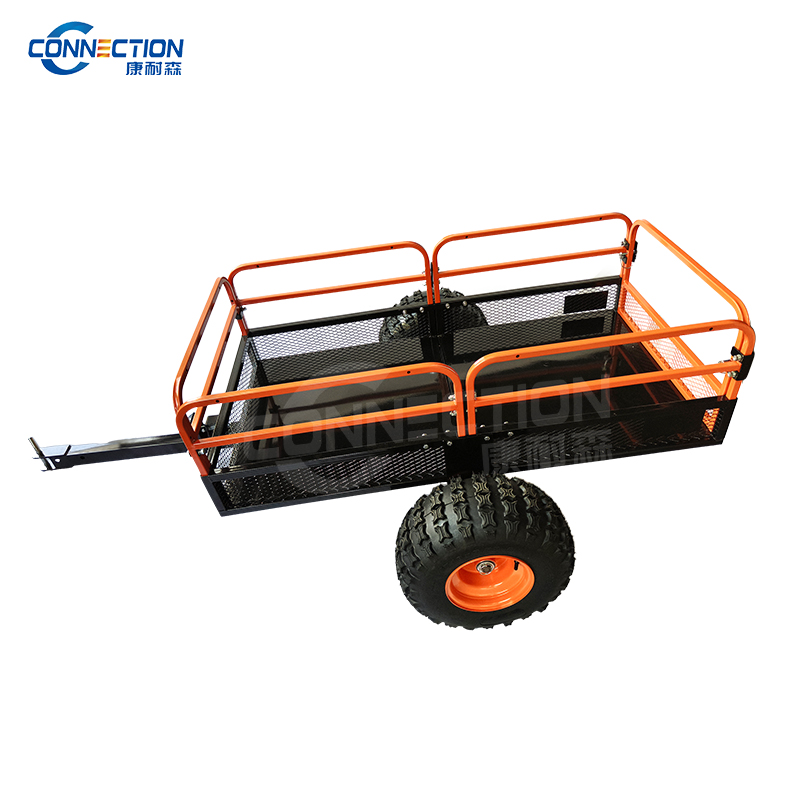
Heavy-Duty Recyclable Waste Transport Trailer T680
Designed with a tilting steel bed and foot-release dump latch, ideal for transporting heavy bulk recyclable scraps in industrial sites.
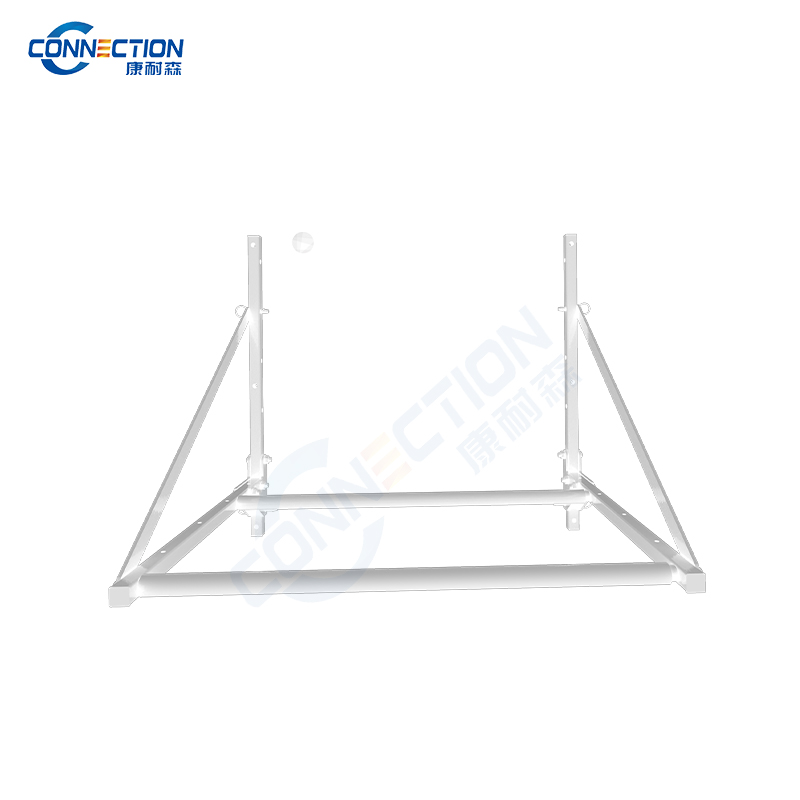
Wall Mount Recyclable Tyre Racking WTR-03
Space-saving wall-mounted steel rack optimized for storing scrap tyres and rubber parts waiting for recycling processing.
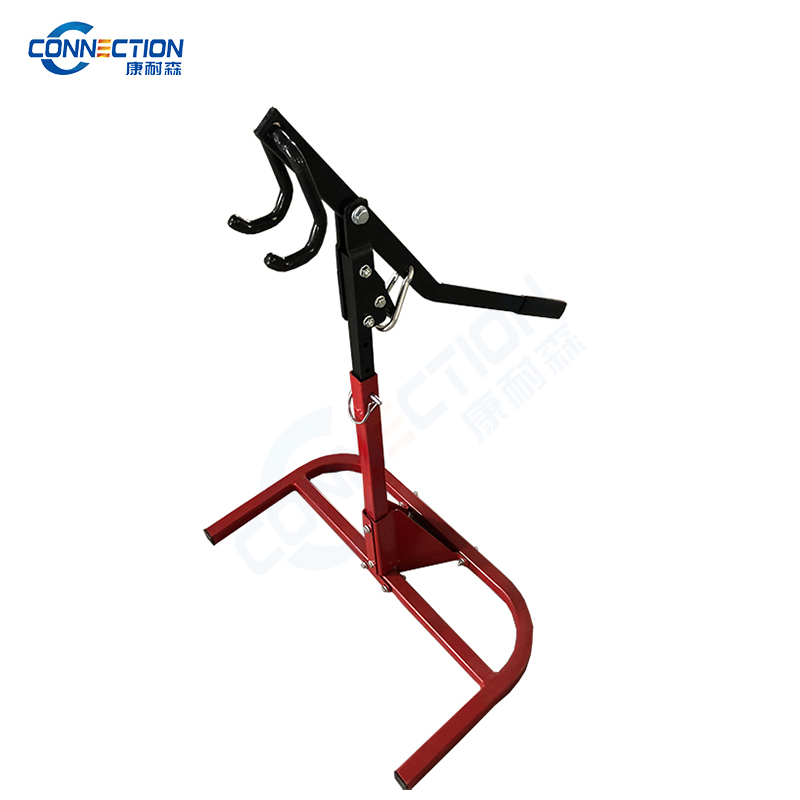
Recyclable Container Elevating Lift Stand SLS-1
Heavy-duty lift stand providing easy track access and elevating capabilities for maintenance or container sorting operations.
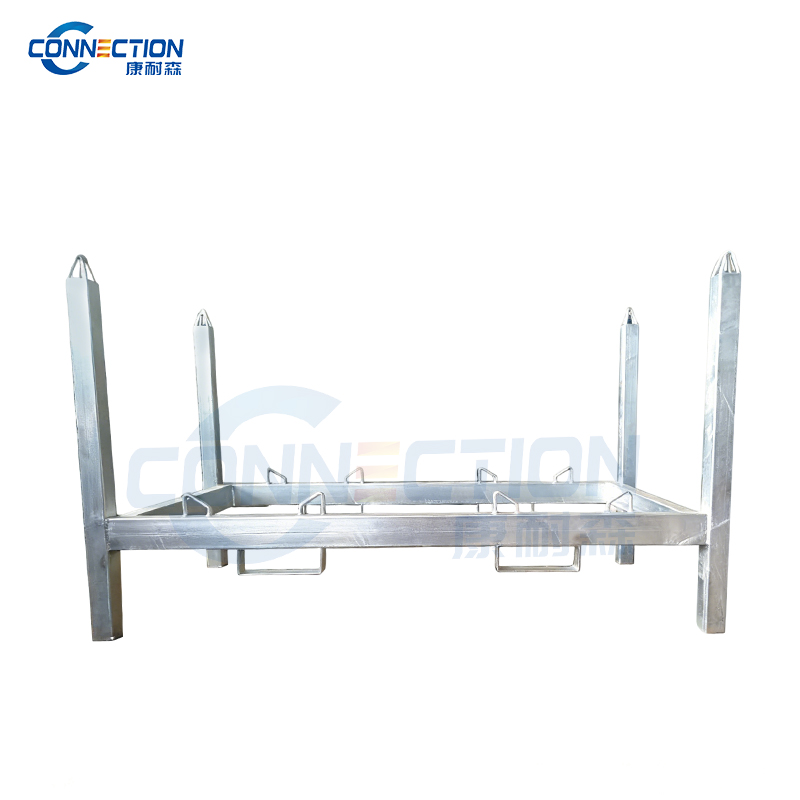
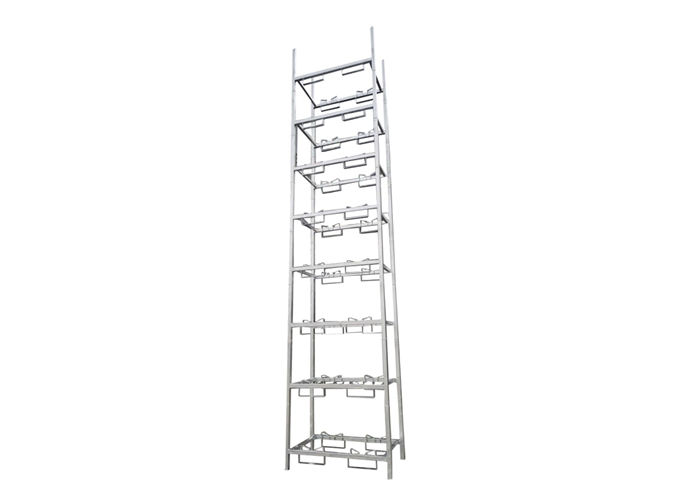
Stackable Liquid Waste Drum Racking BR-1030H
Heavy-duty stackable steel barrel rack for safe containment and handling of industrial liquid recyclable containers.
The Industrial & Commercial Evolution of Waste Containment
In the modern industrial landscape, sustainability is no longer just a corporate buzzword; it is a core operational requirement. Globally, warehouses, manufacturing plants, and distribution centers generate millions of tons of recyclable waste daily—ranging from cardboard, packaging plastics, and stretch wraps to scrap metal, rubber tires, and electronic components. Historically, this waste was treated as a low-priority byproduct, often piled in corners or stored in inefficient, single-use containers that posed safety hazards and consumed valuable floor space.
Today, the integration of specialized Warehouse Racking Cages For Recyclable Waste Containment has revolutionized material handling and recycling logistics. These steel structures are engineered to handle high-density storage, withstand the rigors of forklift operations, and facilitate the systematic segregation of materials at the source. By utilizing vertical warehouse racking space, companies can drastically reduce the footprint dedicated to waste management, ensuring that prime operational areas remain clear for core production activities.
According to recent environmental logistics studies, implementing stackable steel wire mesh cages for waste segregation can improve warehouse floor space utilization by up to 40% and reduce internal handling times for recyclable materials by 25%.
Driving Forces: ESG Compliance and Circular Economy
Strict environmental regulations, coupled with aggressive corporate Environmental, Social, and Governance (ESG) targets, are forcing enterprises to audit their waste streams. Landfill diversion rates have become key performance indicators (KPIs). Racking cages designed for waste containment act as the physical foundation of these recycling programs. By keeping different materials—such as clear LDPE plastics, cardboard, and metals—segregated in clearly labeled, color-coded steel cages, facilities prevent cross-contamination. This increases the commercial value of the recyclables, turning waste management from a pure expense into a potential revenue stream.
Deep-Dive Application Scenarios of Racking Cages in Recycling
The versatility of heavy-duty steel racking cages makes them indispensable across various vertical markets. Below, we analyze how different industries apply these structures to solve complex waste containment challenges:
1. E-Commerce Fulfillment & Logistics Hubs
In high-velocity distribution centers, the sheer volume of incoming cardboard packaging and stretch wrap can quickly overwhelm operations. Collapsible steel wire mesh cages are positioned at the end of picking lanes and packing stations. Workers drop discarded packaging directly into the cages. Once filled, these cages are stacked vertically up to four high in designated recycling zones, or transported via forklifts directly to heavy-duty balers. The mesh design allows safety inspectors to easily verify the contents from a distance, ensuring no non-recyclable materials are mixed in.
2. Automotive Manufacturing & Scrap Metal Salvage
Automotive assembly lines generate heavy metal scraps, stamping leftovers, and component packaging. Standard plastic bins fail under the weight and sharp edges of metal waste. Heavy-duty steel racking cages, reinforced with structural steel bases, provide the durability required. These cages are designed to integrate seamlessly with standard pallet racking systems, allowing heavy metal scraps to be stored safely in vertical racks before being transported to smelting or recycling facilities.
3. Electronics Recycling (E-Waste) Management
E-waste contains hazardous materials that require secure and organized containment to prevent environmental contamination and component damage. Lockable steel security cages with wire mesh sides are used to collect high-value components, printed circuit boards, and discarded devices. The secure design prevents pilferage of valuable metals, while the open mesh structure ensures ventilation, reducing heat buildup if batteries are present.
4. Agricultural and Tyre Recycling Facilities
Discarded tyres and large rubber components present unique storage challenges due to their bulkiness and shape. Specialized stacking tire racks and heavy-duty steel containment cages prevent tires from rolling and allow them to be stacked safely in outdoor or indoor yards, optimizing transport logistics and reducing fire hazards associated with loose tire piles.
Shandong Connection Co., Ltd.
Global Supply Chain Leader in Material Handling and Industrial Storage Solutions
Intelligent Manufacturing & Advanced Technology
SHANDONG CONNECTION is a Chinese-owned company with a robust global supply chain. Our mission is to become a key leader in the material handling industry through our commitment to excellent customer service and high-quality products that exceed our clients' expectations by defining new ways to innovate and increase operational efficiencies.
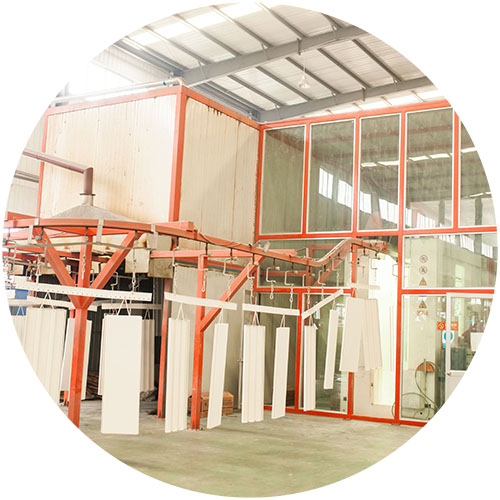
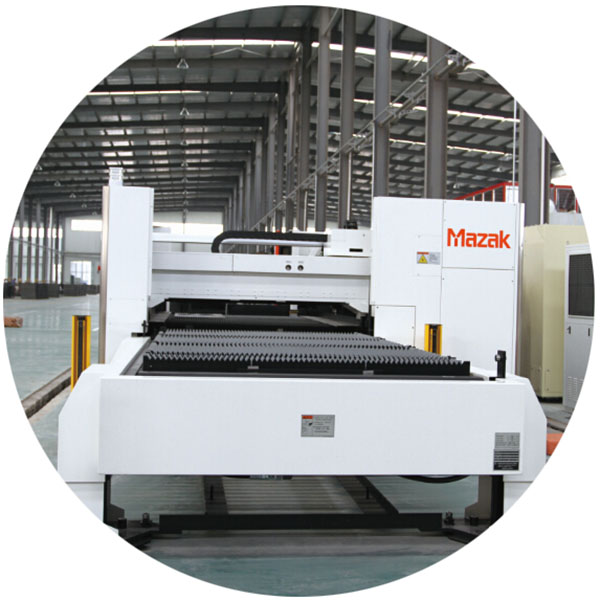
We specialize in long-term protection and storage solutions for critical spares, equipment, and industrial waste containment. SD CONNECTION has made huge investments in importing a fully automatic rack manufacturing line from Japan, guaranteeing high precision with a length tolerance of 1mm and dimensional tolerance within ±0.2mm. We also utilize Kawasaki Robots and advanced Laser Cutting to achieve precise forming and high-efficiency production.
OEM & ODM Support with Expert Engineering
We provide comprehensive design support with ISO9001 engineered standards and free consultations. Our engineering team boasts over 30 years of design experience to ensure that we deliver safe, durable, and highly efficient products customized to meet our clients' specific industrial waste containment requirements.
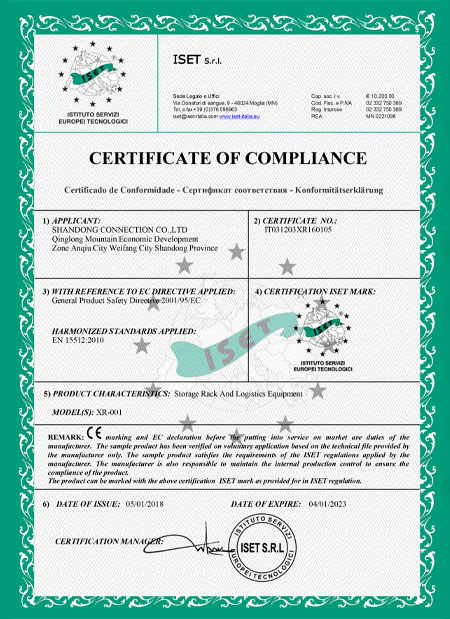
Our Quality Control process is rigorous, including Non-Destructive Testing (NDT) and Magnetic Particle Testing (MT). All products come with a 1-year warranty and are certified by CE, ISO9001, and SGS, ensuring peace of mind for heavy-duty industrial applications.
Team Work
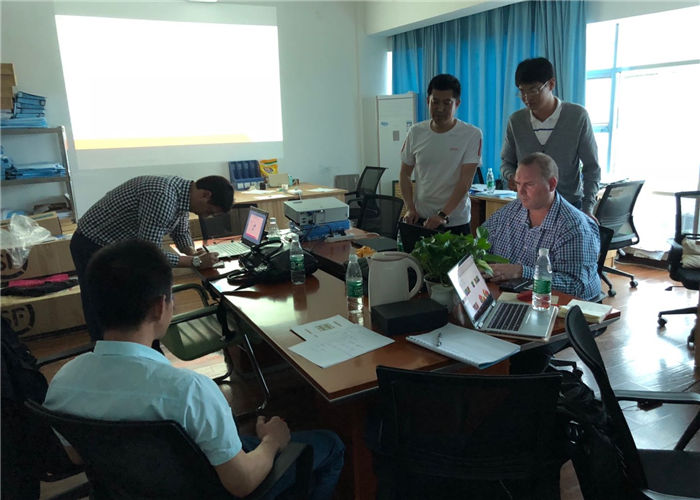
Our success is attributed to our team working with complementary skills who are committed to a common vision, goals, and approach to deliver quality storage solutions.
Innovation
We are actively developing new products and solutions to increase recycling efficiency and space optimization for our customers worldwide.
Accountability
We take ownership of our actions to distinguish professional character. We work day and night to meet our clients' strict project deadlines.
Our 9-Step Precision Manufacturing Process
How we engineer high-durability racking cages and steel storage containers from raw material to final installation.
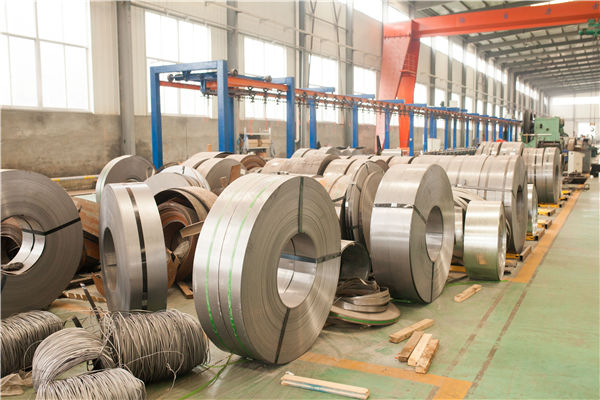
Material Purchasing
Procuring certified high-grade steel to ensure load capacity and structural integrity.
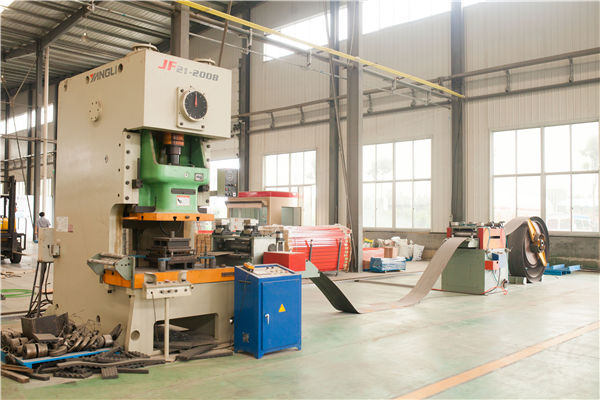
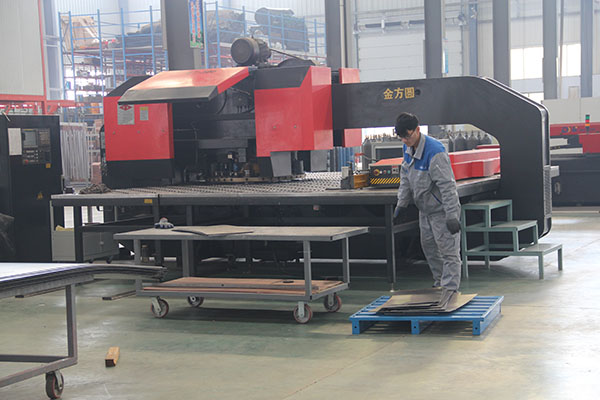
Punching & Bending
Utilizing high-precision automated machinery for accurate cutting and bending angles.
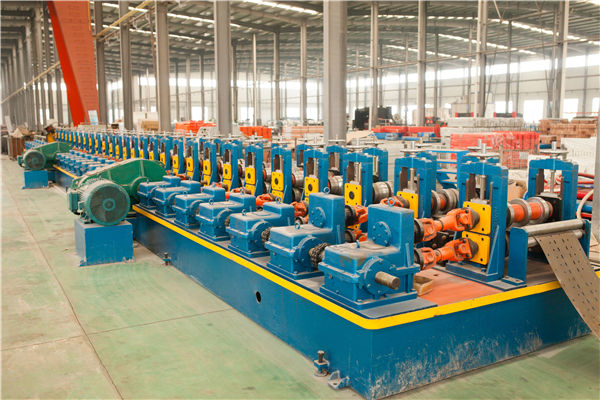
Forming
Shaping the steel components into standardized profiles with tight tolerances.
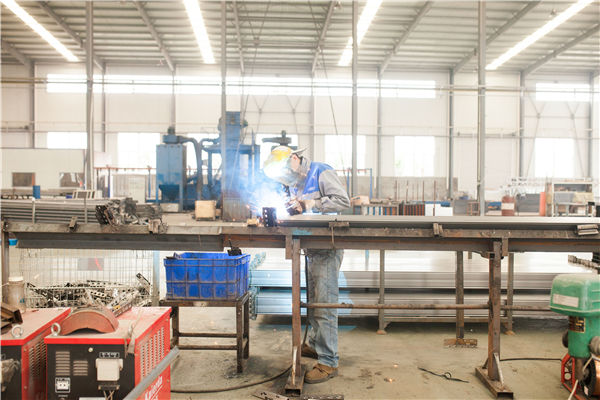
Welding
Robot-controlled welding ensures uniform joint strength and structural durability.
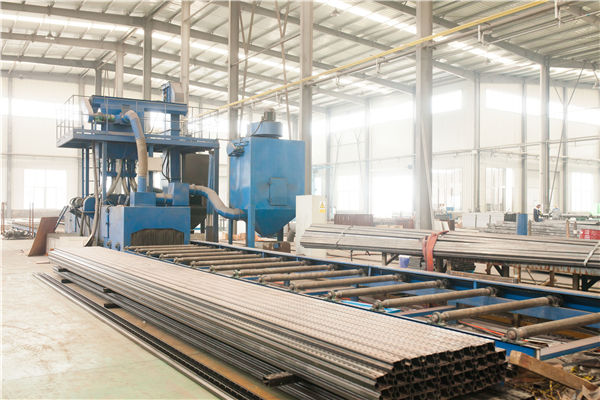
Sand Blasting
Thorough surface cleaning to remove rust and prepare steel for superior coating adhesion.
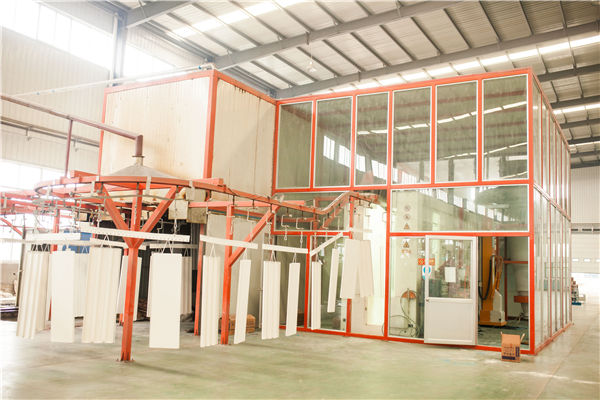
Spray Powder Coating
Applying corrosion-resistant finishes designed for harsh industrial environments.
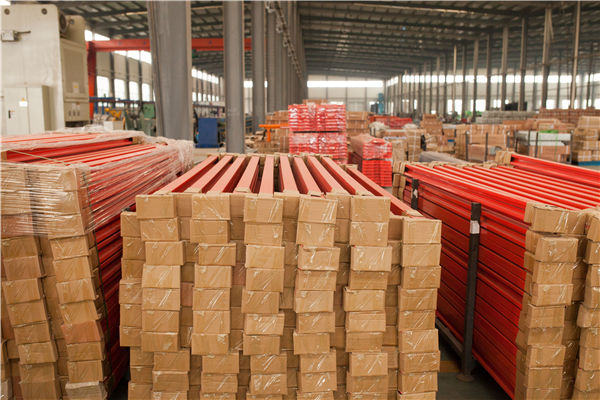
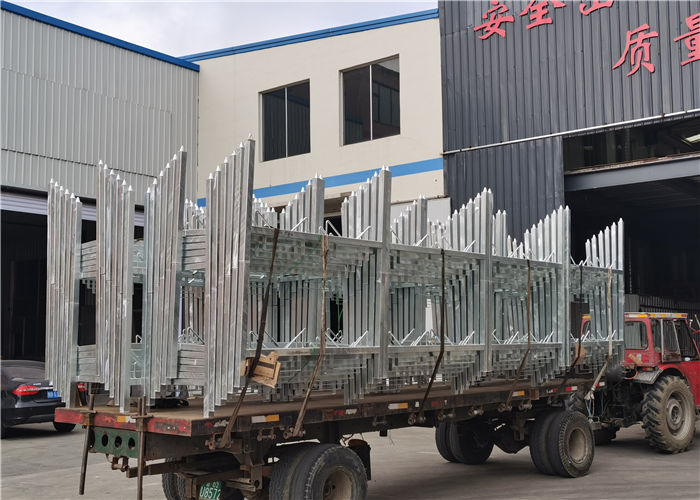
Secure Packing
Flat-packing and bundling products to prevent damage during international transport.
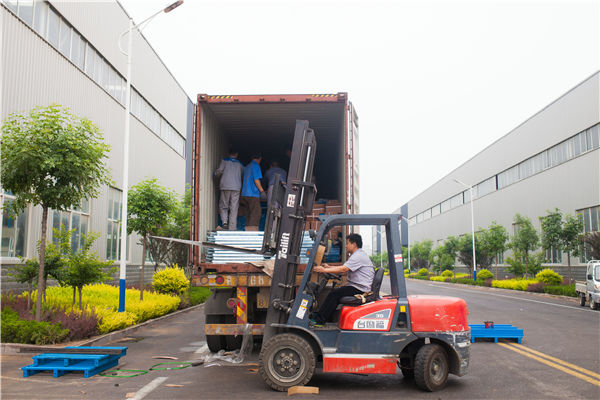
Logistics & Transfer
Coordinating global freight to deliver products directly to client warehouses.
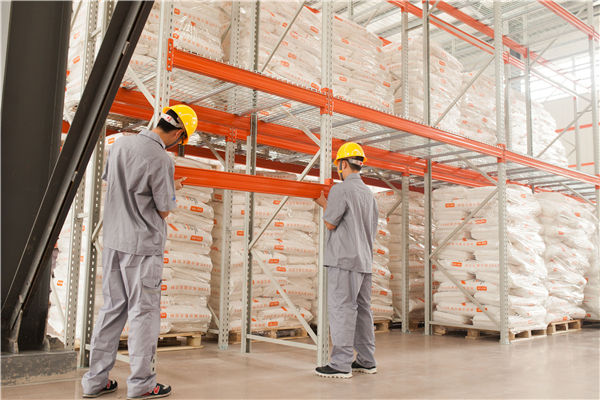
On-site Installation
Easy-to-assemble structural designs that facilitate quick deployment in your facility.
Project Gallery & Workshop Showcase
Take a look inside our advanced manufacturing facilities and successful global project deployments.
Global Project Implementations
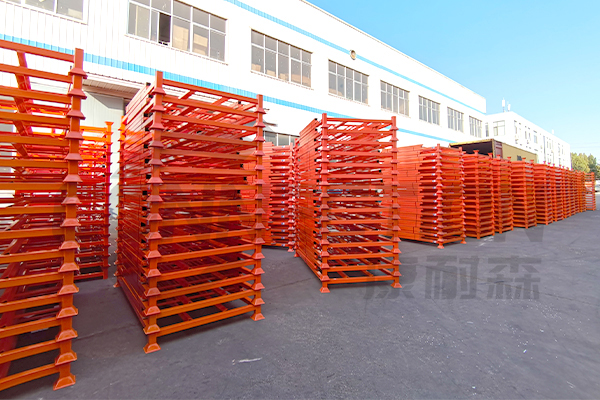
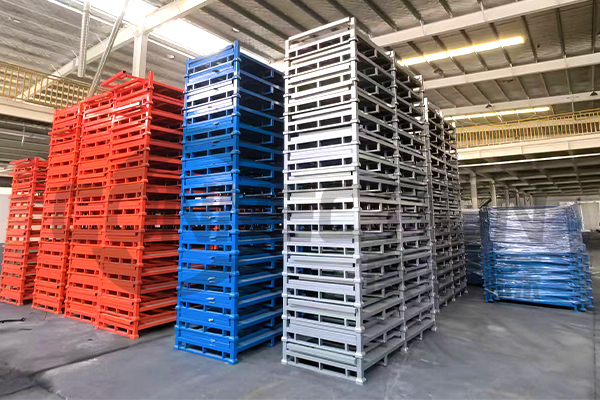
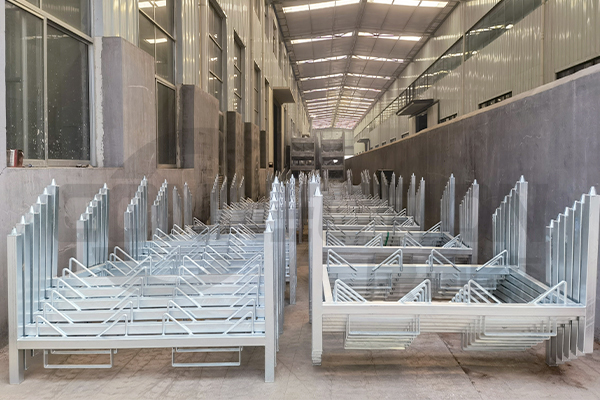
Our Advanced Production Workshop
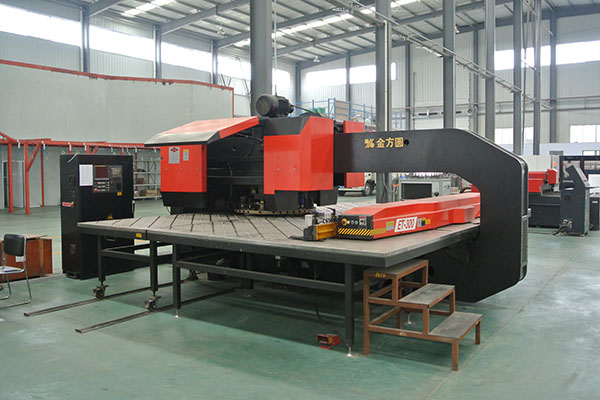
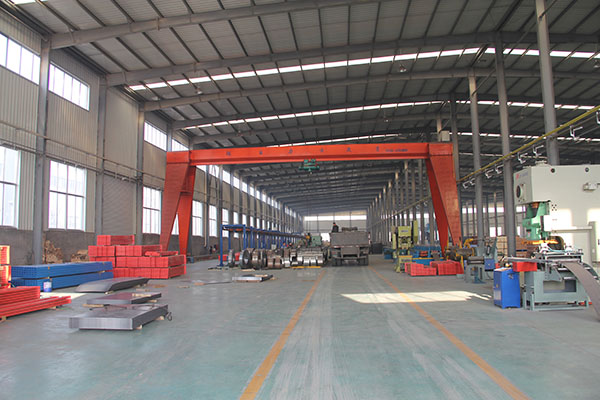
Future Trends in Racking Cages & Smart Waste Management
The material handling industry is undergoing a digital transformation, and waste containment is no exception. As warehouses adopt automation, racking cages are evolving to integrate with technology. The most prominent trend is the design of cages compatible with Automated Guided Vehicles (AGVs) and Autonomous Mobile Robots (AMRs). Standardized base dimensions and precise corner castings allow robotic systems to pick up, transport, and stack waste cages without human intervention, reducing labor costs and safety risks in high-traffic zones.
Another emerging trend is the integration of IoT (Internet of Things) sensors. Fill-level sensors mounted inside the wire mesh cages communicate with warehouse management software (WMS), alerting logistics teams when a cage is nearing capacity. This prevents overflows and ensures that waste collection trucks or internal balers are only called when necessary, optimizing logistics routes and reducing carbon footprints.
Furthermore, structural sustainability is key. Modern racking cages are engineered using high-tensile steel, which reduces the weight of the cage itself while maintaining heavy load ratings. Lightweight cages reduce shipping costs and energy consumption during transit, contributing to the overall sustainability goals of modern green logistics hubs.
Industrial Storage & Container Catalog
Browse our wide selection of heavy-duty racking, mobile roll containers, and specialized industrial tools.
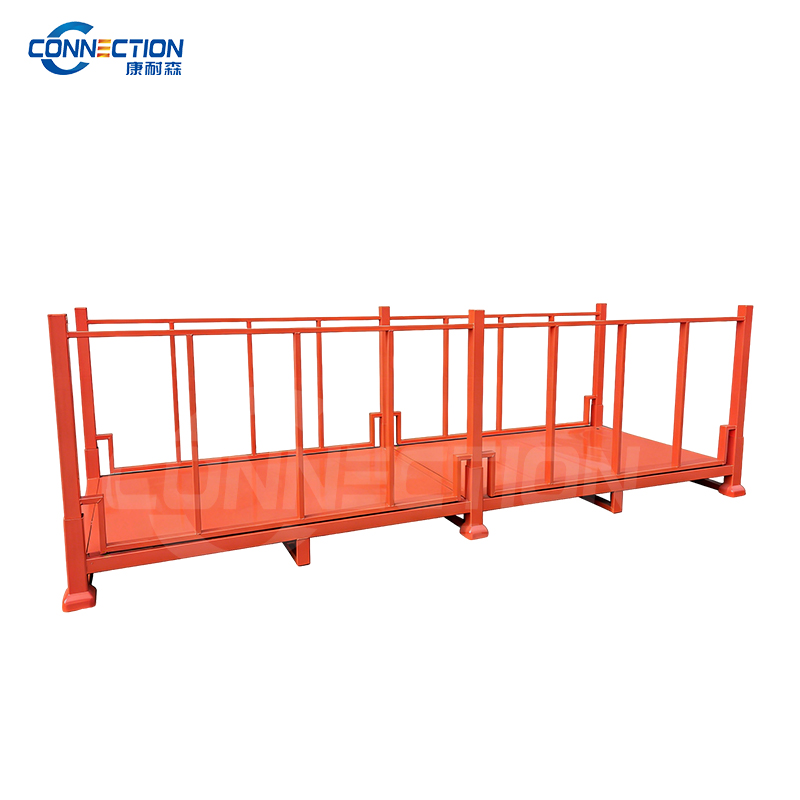
Recyclable Fabric & Textile Roll Storage Rack SR-3220/1000
Designed for heavy rolls of textiles and industrial fabrics, providing secure stackable containment.
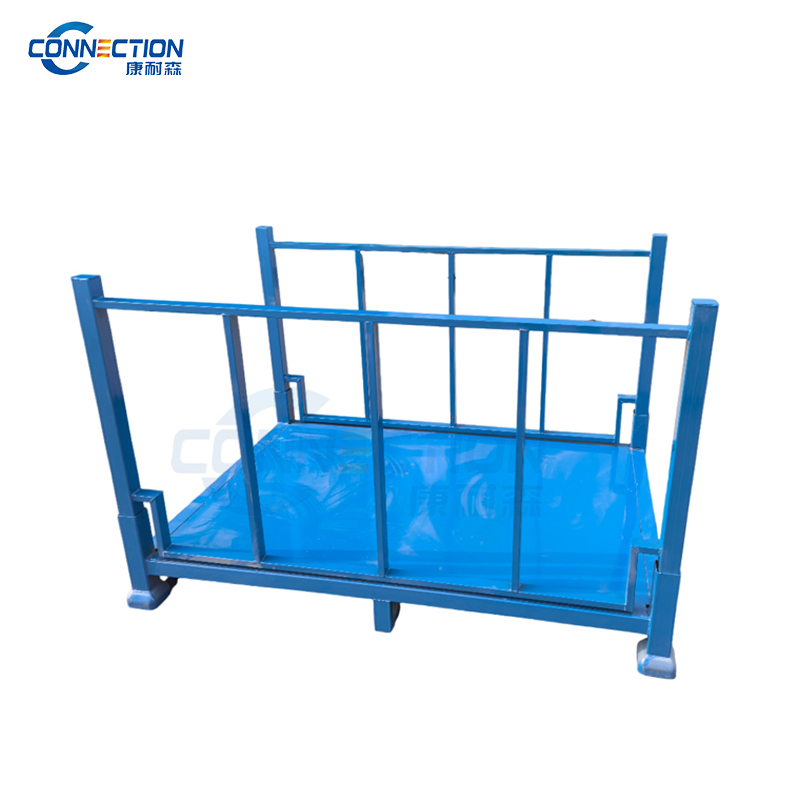
Heavy-Duty Textile Waste Roll Storage Rack SR-1620/1000
Medium-capacity steel roll rack designed to optimize horizontal storage space for long rolls.
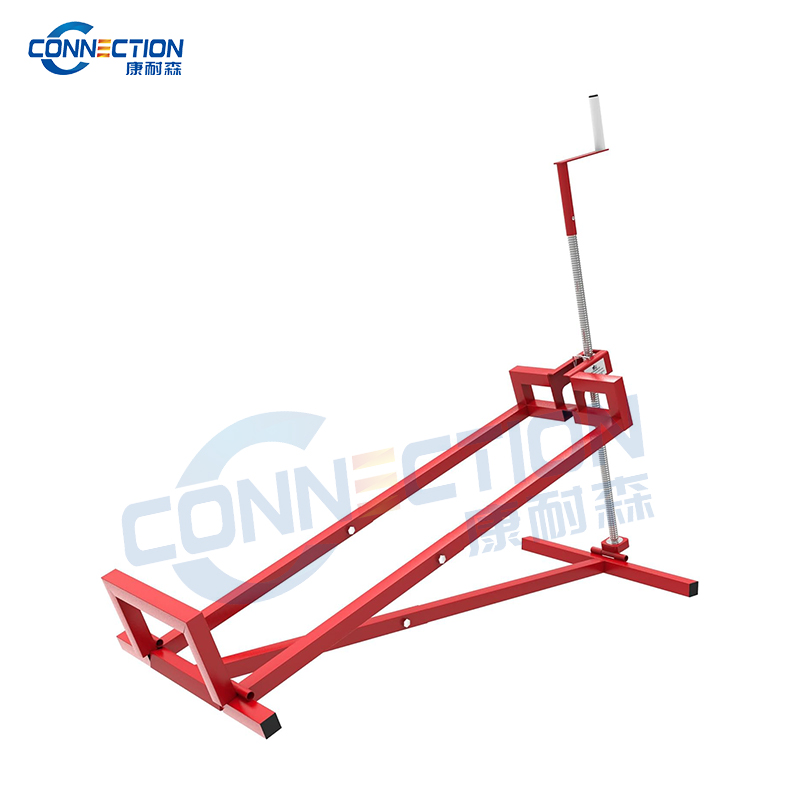
Adjustable Waste Compactor Maintenance Lift Jack
Heavy-duty adjustable lift jack designed for servicing machinery and material handling equipment.
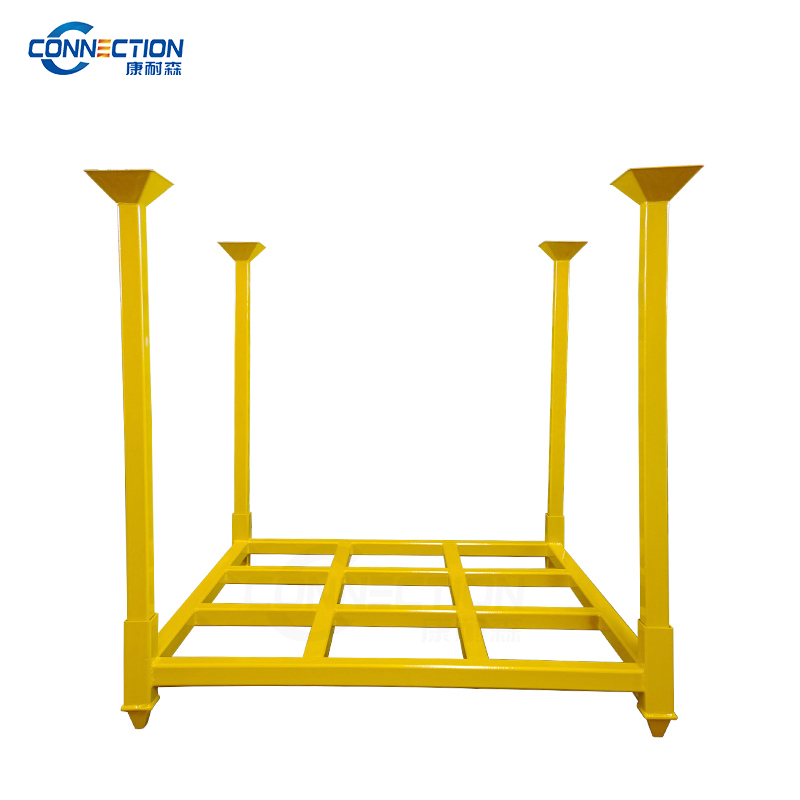
Heavy-Duty Stacking Scrap Tire Racking TR-1220/1240
Rugged steel stacking rack engineered to hold bulk tire inventory or scrap rubber safely.

Zinc-Plated Recyclable Waste Mobile Container Trolley LC-95
Compact single-level mobile container trolley, perfect for rapid waste collection and transport.

2-Shelf Recyclable Sorting Roll Container Trolley LC-85
Two-level zinc-plated roll container designed for sorting waste types during order picking.

Zinc-Plated Bulk Waste Roll Container Trolley LC-80
Single-level open-style roll container designed for heavy bulk waste and carton handling.

3-Shelf Sorted Recyclable Waste Container Trolley LC-1834-3
Three-tier compact roll trolley optimized for sorting small recyclable items and parts.
Additional Specialized Storage Equipment
Explore our other auxiliary material handling products designed to support warehouse operations.

3-Piece Snowmobile Dolly Set with Straps SD-3
Heavy-duty rolling dolly set equipped with secure tie-down straps for shop maneuvering.

Steel Snowmobile Dolly Set SD-2 & SD-4
Low-profile steel dolly sets designed for flexible positioning and storage of heavy machinery.

Mobile Snowmobile Shop Dolly SLS-2
Ergonomic long-handle mobile shop dolly for steering and controlling heavy equipment.

Compact Welding Cart TC4222
Space-efficient three-tier mobile welding cart with rear gas cylinder holding shelf.

Welding Cart with Push Handle TC4222-1
Three-tier steel welding cart featuring an ergonomic push handle and gas cylinder safety chains.

2-Shelf Folding Roll Container Trolley LC-3143-2
Folding and nesting 2-shelf roll container, ideal for space-saving storage when not in use.
Certifications & Quality Assurance
Our commitment to international quality standards guarantees safety and durability in every weld.
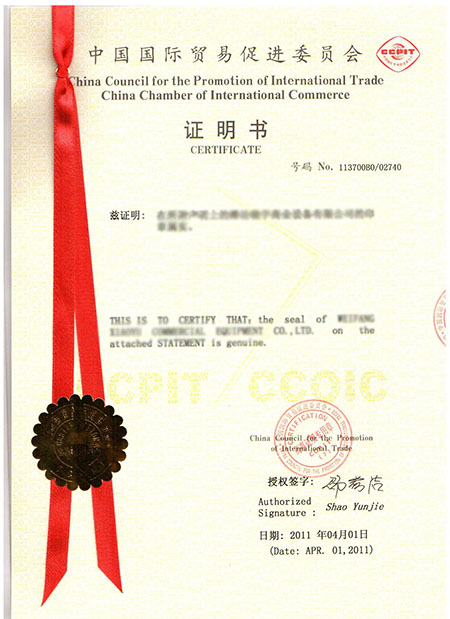
ISO9001 Certification
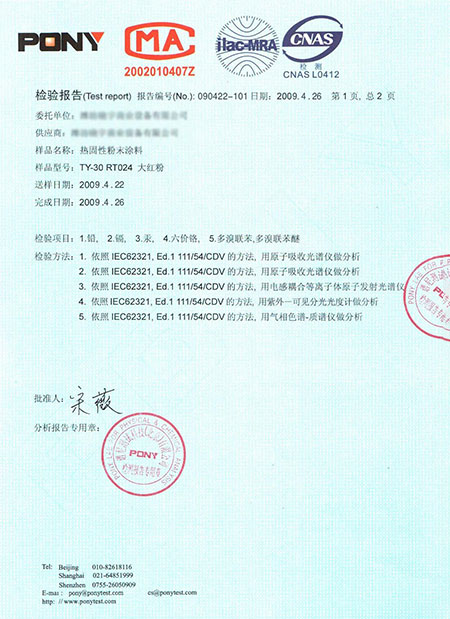
CE Certification