
Wire Mesh Decking for Pallet Racking: How to Choose the Right Decking
Quick Answer
When choosing wire mesh decking for pallet racking, start with the rack—not the decking.
Buyers should confirm the beam length, front-to-back depth, beam profile, required deck size, mesh opening, support channel design and operating conditions before ordering. The decking must sit correctly on the rack beams and provide suitable support for the pallets or goods stored above it.
For an existing rack system, accurate measurements and photos of the beam profile are often the most useful information to provide.
What Is Wire Mesh Decking?
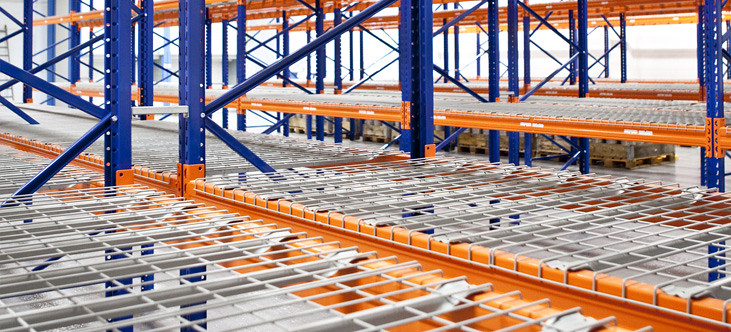
Wire mesh decking is a steel mesh panel installed across pallet rack beams to create a supporting surface for palletized goods, cartons and other warehouse inventory.
Unlike a solid shelf, the open mesh structure keeps the rack visually open and makes it easier to inspect stored goods from different levels.
Wire decking is commonly used on selective pallet racks in warehouses, distribution areas and manufacturing facilities where a durable, open supporting surface is required.
How Does Wire Decking Fit Pallet Racking?
The decking normally rests across the front and rear rack beams. Support channels underneath the mesh help transfer the load toward the beams and reduce unsupported areas across the deck.
This makes the relationship between the rack and decking especially important.
Two wire decks may have similar overall dimensions but perform differently if their support channels or beam interfaces are designed for different rack structures.
Before placing an order, check:
- Beam length
- Rack depth
- Beam profile
- Inside and outside beam dimensions
- Required decking width and depth
- Number of decks required per level
If the decking is being purchased for an existing pallet racking system, photos and a simple rack drawing can help confirm the fit.
What Measurements Should Buyers Provide?
A common mistake is to provide only the outside size of the rack.
For a more accurate quotation, prepare:
- Rack beam length
- Front-to-back beam distance
- Beam profile or section
- Required deck width
- Required deck depth
- Number of decks per level
- Number of rack levels
- Type of goods or pallets stored
The stored goods matter because wire decking used mainly below standard pallets may have different requirements from decking used to support cartons or smaller packaged products directly.
How Do Mesh Size and Wire Diameter Affect Selection?
Mesh opening determines the spacing between the wires.
Smaller openings provide more contact points for smaller cartons or packaged items. Larger openings may be suitable where the decking is mainly used under palletized goods.
Wire diameter is another part of the deck structure and should be considered together with the mesh pattern, support channels and overall deck design.
The current Connection Steel pallet rack wire decking range includes common mesh options such as 50 × 50 mm and 50 × 100 mm, with different wire diameters available for warehouse applications.
The correct combination should be selected according to the rack structure and actual storage condition.
Why Are Support Channels Important?
Support channels are positioned underneath the wire mesh and sit between or across the rack beams depending on the deck design.
They help support the mesh surface and transfer the applied load toward the rack structure.
When comparing wire decking for pallet racks, check more than the visible mesh panel. Buyers should also confirm:
- Number of support channels
- Channel profile
- Channel position
- Connection between channel and mesh
- Compatibility with the rack beam
Connection Steel's current wire decking range uses multiple support channels depending on the deck specification.
Galvanized vs Powder-Coated Wire Decking
Galvanized wire mesh decking is widely used for general warehouse pallet racking because it provides a clean steel finish suitable for many indoor storage environments.
Powder-coated decking may also be considered where a coated surface or a specific visual finish is preferred.
Surface treatment should be selected according to the warehouse environment rather than appearance alone.
For humid, outdoor or more demanding operating conditions, the complete rack system and storage environment should be reviewed before choosing the finish.
What Should You Check Before Ordering?
Before requesting a quotation, confirm:
- Rack dimensions
- Beam profile
- Deck dimensions
- Mesh opening
- Wire diameter
- Support channel design
- Stored product type
- Pallet size
- Required quantity
- Surface treatment
For replacement projects, a photo of the existing decking can also help identify how the deck sits on the beams.
FAQ
Q: What is wire mesh decking used for?
Wire mesh decking is installed on pallet rack beams to provide an open supporting surface for pallets, cartons and other warehouse goods.
Q: Can wire decking be added to an existing pallet rack?
Yes, provided that the deck dimensions, beam interface and support channel structure match the existing rack.
Q: What measurements are needed for pallet rack wire decking?
The most useful measurements include rack depth, beam length, beam profile and the required decking width and depth.
Q: Is galvanized wire mesh decking suitable for warehouse use?
Galvanized wire decking is commonly used in indoor warehouses and pallet racking systems. The final finish should still match the actual operating environment.
Q: How many support channels should wire decking have?
The number depends on the decking size, design and required operating condition. It should be confirmed as part of the complete deck specification rather than selected separately.
Looking for Wire Mesh Decking for an Existing Pallet Rack?
If you are sourcing pallet rack wire decking, send us your rack dimensions, beam profile, pallet size and required quantity through Contact Us. These details can help confirm a suitable decking size and support structure.
Post time: Aug-11-2026


